


Where research becomes treatment in real time
Cervical Tumors
Cervical cancer affects the cervix, which is the lower part of the uterus. There are two main types of tumours in this area. The most common is squamous cell carcinoma that arises from the cells of the outer portion of the cervix, visible during medical consultation, and less frequent is adenocarcinoma which develops from cells that are in the cervical canal and so more easily hidden.
SEARCH BY PROBLEM TYPE
Select your topic of interest
One of the most common gynecological cancers in the whole world develops in the cervix. In Europe, cervical cancer is the second leading cause of death from cancer (after breast cancer) in women under the age of 40 years. In Italy, about 3,500 new cases are estimated each year.
Cervical cancer can be prevented
Cervical cancer can be prevented. It affects an organ that can be easily seen during a single gynecological examination, and there are tools to detect lesions that precede the cancer and infection with human papillomavirus (HPV), which is a necessary but not sufficient cause for the development of this disease. Furthermore, we can also prevent certain infections thanks to a vaccine against the two most frequent HPV types.
HPVs and their role in the onset of cervical cancer
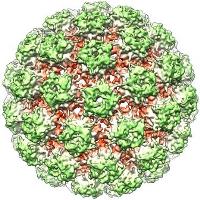
HPVs are a family of widespread viruses in the population, which can infect the skin and mucous membranes. The virus is mainly transmitted by sexual contact. It is a common infection, which is usually asymptomatic and spontaneously resolved. Around 75% of women will have contracted this infection at least once in their lifetime. In some cases it can cause benign alterations (condylomas) or even lesions that can transform into cancer if left untreated.
There are about 13 HPV strains responsible for cervical cancers. They are oncogenic with high risk. Twenty to thirty years can go by between contraction of the infection and development of cancer, so cancers that affect women at the age of 45-50 are the result of infections contracted at a young age.
Pap test and HPV test working in synergy for the prevention of cervical cancer
Cervical cancer is always preceded by an HPV infection and precancerous alterations. To detect them we have two simple tools - Pap test and HPV test.
- Until now, the Pap test has been used as the first gynecological screening test for prevention of cervical cancer. If the Pap test is abnormal, you can perform a second examination, colposcopy, which allows you to notice visible alterations in the cervix. These alterations are usually precancerous and can be removed with a small operation. It is possible to perform a test to identify the presence of oncogenic HPVs.
- The HPV test is used alone or with the Pap test in cervical cancer screening and enables recognising those women who do not have the risk factor, or the HPV infection, allowing them to perform gynecological check-ups years later. Patients testing positive to the test must perform additional in-depth tests such as Pap test or colposcopy. Having a positive HPV test does not mean being infected and transmitting diseases; the purpose of the test is to indicate which types of screening are necessary and at which intervals in time.
Vaccination against HPV
The vaccine against HPVs 16 and 18, those responsible for 70% of cervical cancer cases, has been available for a few years. It has proven to be effective in preventing the precursors of cancer linked to HPVs 16 and 18. Maximum benefit is obtained before exposure to HPV, which usually occurs with the first sexual intercourse experiences. This is why the vaccine is recommended and free of charge for 11 year olds, although it is approved for the age of 9 and older.
It can be administered to girls and women who have already had sexual intercourse and it has proved useful in preventing the recurrence of HPV alterations in women who have already been treated for such alterations. However, the efficacy of the vaccine is reduced if an HPV16 or 18 infection is present at the time of vaccination. Vaccination consists of three intramuscular doses to be injected within 6 months. The vaccination is also available for young males up to 25 years.
Vaccination and screening through HPV testing and Pap test are synergistic in the prevention of cervical cancer
Cervical cancer is sometimes diagnosed when already invasive, usually in women who had never previously undergone screening and already have symptoms such as abnormal vaginal bleeding, especially after sexual intercourse. The diagnosis of invasive cancer is performed by histological examination, which defines the infiltration of the cancer. If the cancer is already advanced, diagnosis is made by gynecological echo-transvaginal 3D examination and MRI that define the tumour volume.
Elimination of pre-cancerous alterations in the cervix
When a precancerous alteration is diagnosed, an evaluation is made as to whether it should be removed with a small operation (usually under local anaesthesia), based on the type and duration of its persistence. The elimination of precancerous alterations occurs in different ways. At IEO, laser is available which makes not only the vaporisation of alterations possible, but also their excision (laser conisation) in order to obtain the histological examination of the visible alteration. Otherwise, the excision can be performed using a diathermic loop and subsequently defined with laser, always under colposcopy guidance.
The methods used for the elimination of alterations are guided by colposcopy that allows the elimination of the visible alteration. On the contrary, interventions without a direct and enlarged view, such as cold knife conisation (through scalpel), are less precise and generally require further treatment.
Treatment of cervical cancer
When an invasive carcinoma is diagnosed, treatment options vary according to the degree of invasiveness and the extension of the tumour. In cases of only initially-invasive carcinomas, with infiltration of less than 7 mm, detection is performed through the histological examination of the pre-cancerous alteration excised. The excision of the alteration through laser conisation can be considered as treatment for a minimally-invasive carcinoma, especially in cases of squamous cell carcinoma, even if in some cases the surgical evaluation of the lymph nodes must be added.
In cases when an adenocarcinoma is found, although minimally-invasive, only laser excision of the tumour can be considered in young patients who still desire pregnancy, otherwise it is better to consider a surgical removal of the uterus.
Vaccination against HPV and new tests for the prevention of cervical cancer
There are several ongoing studies on HPV infection, vaccination, HPV tests and other tests investigating the detection of precancerous alterations and monitoring after treatments for precancerous alterations.
Since 2008, IEO has sponsored a study on HPV vaccination in girls of 18 from the province of Milan. This is a 5-year clinical study, aiming at gaining more detailed insight into the protective effects of vaccination in this specific age group. Control visits following vaccination are currently running. Each participant attends the control visit once a year for 5 years.
There are also several studies planned and in progress - some of them with the objectives of evaluating the different tests for the HPV detection in different screening stages and prevention of cervical cancer. Other studies focus on a more in-depth understanding of how to better assess the presence of precancerous alterations in order to improve the knowledge and teaching of colposcopy. There are also studies for assessing the most appropriate assays to monitor women who have been treated for precancerous alterations from HPV.
Finally there is an ongoing assessment of ultrasound in local staging of early cervical cancer, compared to MRI.
IEO is scientific consultant in the project of free vaccination of young girls not reached by previous screening vaccination campaigns of the Municipality of Milan, Milan ASL, Italian Red Cross, Rotary Foundation Milan for Milan.
Useful Links
-

ARE YOU LOOKING FOR A DOCTOR?
Search for a doctor by surname, organizational unit or the first letter of the surname.
-

DO YOU WANT TO BOOK AN APPOINTMENT?
At IEO, it is possible to book specialist appointments, diagnostic tests and other outpatient services.
-

WOULD YOU LIKE TO JOIN AN EXPERIMENTAL PROGRAMME?
Read the guidelines for participating in an trial programme
PARTNERSHIP

MAIN CREDITS